
So . . . what are you going to do in the next twelve months? Have you made any resolutions? Do you want to lose weight or exercise more, find a new job, quit smoking, tell someone that you love them, or just try to keep your head above water?
In 2026, we have 365 days, 8,760 hours, 525,600 minutes, and 31,536,000 seconds to make our good intentions a reality. Long term, the results can be disheartening. Eighty to ninety-five percent of people who successfully lose weight will gradually regain it. Stress and trauma can retrigger cravings and addictions. Even when you tell someone special that you love them, there’s no guarantee they won’t leave you. Your home gym equipment can become a place to hang your dirty laundry. In an ever-changing political and innovative culture, each day can bring new and difficult challenges.
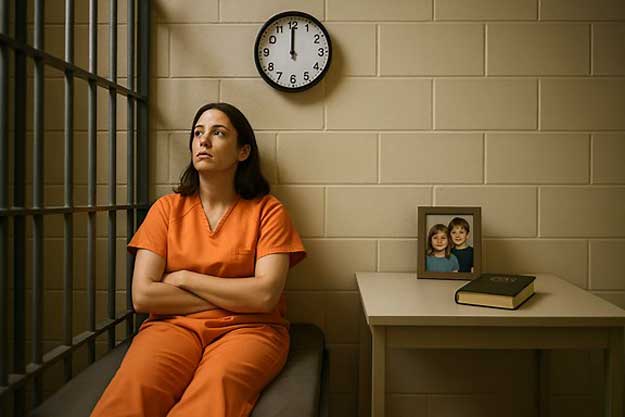
If day-to-day life can erode even the strongest intentions, what hope does a prisoner—someone with almost every choice taken from them — have as they face the year 2026? An inmate wakes up early each morning to the same daily routine: meals, head counts, work assignments, limited social interaction/physical activity, and a set time for lights-out.
Planning for a new year generally involves making plans, weighing opportunities, and scheduling appointments. But for a prisoner, time behaves differently. “Next year” can feel like a distant shore they’ll never reach. Days do not pass, they accumulate; each one can feel like a lifetime.
But a Bible can alter perspectives about the future. It contains the hope that tomorrow can be different from yesterday, that freedom begins from the inside out — the kind of freedom that gives us courage to take the next step in developing a relationship with Jesus Christ. It’s not always easy or quick, but Jesus is the only one Who will radically transform a prisoner’s life. Instead of making a New Year’s resolution, an inmate that accepts the promises of God, becomes a new creation.
In a “Wrinkle in Time” by Madeleine L’Engle, the heroine, Meg, experiences time travel and is unable to control her distorted surroundings. She struggles deeply with self‑doubt, shame, and the belief that she is “not enough.” It’s the same outlook incarcerated individuals share. Ultimately, Meg realizes, “We were sent here for something. And we know that all things work together for good to them that love God, to them who are called according to his purpose.”
Even in the confines of a cell, God’s purposes are not thwarted. For an inmate who has repented, the question is no longer, “What can I do with my time?” but “What does the Lord want to do through me, even here?” Ephesians 2:10 reminds a prisoner they’re God’s workmanship—not discarded, not forgotten, but intentionally crafted for good works. “For we are God’s workmanship, created in Christ Jesus to do good works, which God prepared in advance for us to do” (Ephesians 2:10).
And good works can begin immediately. A kind word to a cellmate; sharing a verse that offers encouragement; praying with, and for an inmate; giving an honest testimony, “Here’s how God helped me this week.”
A “New Life” resolution means turning their heart towards the only One who can make all things new. It’s choosing repentance over regret, Scripture over despair, and obedience over old patterns. It means discovering that God’s plans for them did not end when the cell door closed. It is the moment a prisoner says, “Lord, I don’t just want a better year — I want a better life. I want Your life in me.”
The ripple effects of a “New Life” resolution don’t expire when the calendar changes. It overflows into eternity—peace with God, a new identity, redemption, and an eternal home where the door is never locked. A home where captives are set free. “For he has rescued us from the dominion of darkness and brought us into the kingdom of the Son he loves” (Colossians 1:13).